
The Big Five

Updated: Nov 1, 2025
The Big Five is a term that originates from the world of wildlife and safaris, referring to the five most iconic and sought-after animals in Africa: the lion, leopard, elephant, rhinoceros, and Cape buffalo. These animals are considered the stars of African wildlife safaris, attracting visitors from around the world who want to see them in their natural habitats.
The Original Meaning.
Historically, the term "Big Five" was used by hunters to describe the five most difficult and dangerous animals to hunt on foot. Today, the term has evolved to represent a bucket-list experience for wildlife enthusiasts and safari-goers. Each of these animals plays a crucial role in the ecosystem and has unique behaviors, characteristics, and conservation challenges.
The Big Five Animals.
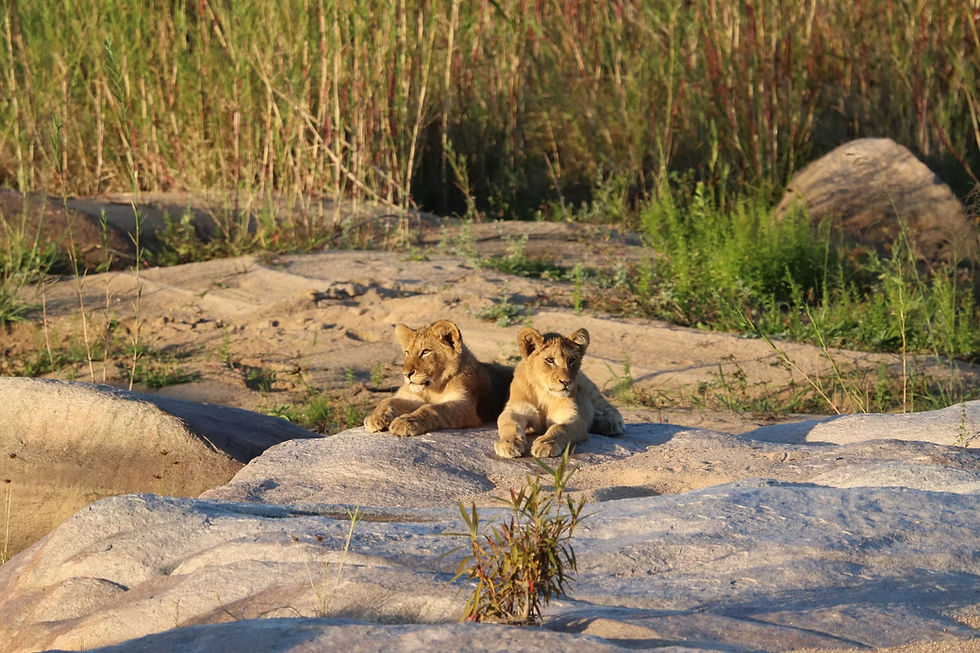
Lion: Known as the king of the jungle, lions are majestic creatures with powerful physiques and distinctive manes. They're social animals that live in prides, led by a dominant male.
Leopard: Leopards are solitary, adaptable, and stealthy predators with distinctive spots and agile bodies. They're known for their climbing abilities and nocturnal habits.
Elephant: Elephants are the largest land animals on Earth, with complex social structures and exceptional memory. They're herbivores that live in matriarchal herds, led by the oldest female.
Rhinoceros: Rhinos are massive, herbivorous mammals with distinctive horns and tough skin. They're vulnerable to poaching due to the high demand for their horns.
Cape Buffalo: Also known as African buffalo, these large bovines are known for their aggressive behavior and formidable horns. They live in large herds, often led by a dominant bull.
Conservation Status.
Unfortunately, the Big Five are facing various conservation challenges, including habitat loss, poaching, and human-wildlife conflict.
Their conservation status varies:
African Lion: Vulnerable
African Leopard: Vulnerable
African Savanna Elephant: Endangered
Southern White Rhinoceros: Near Threatened
Black Rhinoceros: Critically Endangered
African Buffalo: Near Threatened
Importance of Conservation.
Conservation efforts are crucial to protect these iconic species and their habitats. National parks, wildlife reserves, and conservation organizations are working together to:
- Protect habitats and ecosystems
- Combat poaching and wildlife crime
- Promote sustainable tourism and community engagement
- Support research and monitoring programs
Safari Experiences.
For wildlife enthusiasts, seeing the Big Five in their natural habitat is a thrilling experience. Safaris offer a unique opportunity to observe these animals up close, learn about their behavior, and appreciate their majesty. Barefoot Safaris offer guided tours and volunteer programs that support conservation efforts.
A Different Meaning in Psychology.
Interestingly, the term "Big Five" has a different meaning in psychology, referring to the five broad dimensions of personality: Openness, Conscientiousness, Extraversion, Agreeableness, and Neuroticism. This framework is used to understand individual personality and behavior.
In conclusion, the Big Five represents a powerful symbol of Africa's wildlife heritage, highlighting the importance of conservation and sustainable tourism. By supporting conservation efforts and responsible tourism practices, we can help protect these iconic species and their habitats for future generations. We at Barefoot Safaris look forward to sharing our knowledge of the big 5 with you on a safari.


Comments