
Zimbabwe: A Journey Through Time
Updated: Dec 5, 2025

The Timeless Story Behind the Land of Stone and Spirit
At first glance, Zimbabwe might dazzle you with its dramatic landscapes — open savannahs, baobab-dotted hills, and the thundering majesty of Victoria Falls. But to truly understand this remarkable place, you must look deeper — beneath the surface of the soil and the stories in the stone. Zimbabwe’s history is not just a tale of kingdoms and explorers. It’s a living heritage — one that still pulses through the music, architecture, and traditions of its people today.
At Barefoot Safaris, we believe travel becomes meaningful when we know the story of the land we walk. So here’s a look back through time — a brief, non-political journey into Zimbabwe’s fascinating past.
🪨 Ancient Beginnings: People of the Stone
The human story in Zimbabwe stretches back over 100,000 years. Long before written records, this land was home to hunter-gatherer communities — the ancestors of the San people (also known as Bushmen), whose delicate rock art still decorates cave walls in places like Matobo Hills.
These paintings depict giraffes, kudu, human dancers, and rain ceremonies — visual echoes of a time when humans lived closely with the rhythms of the land. The Matobo Hills, now a UNESCO World Heritage Site, remain one of the best-preserved rock art galleries in Africa and a powerful reminder of Zimbabwe’s deep human roots.
🏰 The Great Zimbabwe Civilization: A City of Stone
Zimbabwe’s name comes from “Dzimba-dza-mabwe” — Shona for “house of stone.” It’s a tribute to one of the continent’s greatest archaeological wonders: Great Zimbabwe.
Between the 11th and 15th centuries, a powerful civilization arose in southeastern Zimbabwe, centered around the stone city now known as Great Zimbabwe. Without the use of mortar, its builders stacked granite stones into curving walls, some over 10 meters tall and hundreds of meters long. These enclosures were part of a vibrant urban center that housed thousands of people and served as a royal court, spiritual hub, and trading post.
Great Zimbabwe was at the heart of a kingdom that controlled trade routes linking the African interior to coastal ports like Sofala (in modern Mozambique), where goods were shipped across the Indian Ocean. Gold, ivory, and iron flowed out, while glass beads, porcelain, and textiles came in.
Even today, walking among the ruins of the Great Enclosure or the Hill Complex, there’s an undeniable sense of awe — not just for the engineering, but for the spiritual presence still felt in the stones.
🌍 Trade, Culture, and the Rise of Regional Kingdoms
After the decline of Great Zimbabwe around the 15th century (likely due to environmental stress and changing trade routes), other powerful kingdoms rose in its place. Among them was the Mutapa Empire, which dominated the Zambezi Valley and continued the tradition of long-distance trade with Arab and Portuguese merchants.
Further south, the Rozvi Empire developed a reputation for strong military organization and resistance to outside influence. Both kingdoms left behind impressive archaeological and oral histories, as well as a cultural foundation that continues among the Shona, the largest ethnic group in Zimbabwe today.
These societies were rich not only in trade goods but in cultural expression — from stone carving and metallurgy to mbira (thumb piano) music and oral storytelling.
🧭 European Arrival: The Age of Exploration
In the late 1400s and early 1500s, Portuguese explorers and traders began establishing contact with inland African kingdoms, including Mutapa. They were drawn by tales of gold and vast cities in the interior — myths that may have originated from descriptions of Great Zimbabwe.
While early contact was mainly through trade, the centuries to come would bring more intense European interest, including exploration, mapping, and missionary work — gradually linking southern Africa more closely with European colonial ambitions. However, it’s worth noting that Zimbabwe’s early interactions with the outside world were rooted in trade and exchange, not conquest.
🛖 Traditional Life and Connection to the Land
Long before borders or colonial lines, life in what is now Zimbabwe was deeply grounded in ancestral connection, ritual, and community. These traditions still run strong in rural areas and in spiritual practices such as rainmaking ceremonies, spirit mediumship, and the honoring of ancestors through music and dance.
For many Zimbabwean communities, the land is more than soil — it is sacred. Hills, rivers, trees, and groves often have spiritual significance, connected to guardian spirits or past leaders. The same baobab trees you walk past on safari may have stood for hundreds of years, quietly witnessing the rise and fall of kingdoms.
📜 A Living Heritage
Today, Zimbabwe is a country where ancient and modern meet. You’ll find artists carving soapstone in the style of their ancestors, farmers practicing traditional rotational agriculture, and young Zimbabweans mixing modern music with mbira rhythms.
When you visit Zimbabwe with Barefoot Safaris, you’re not just stepping into a national park — you’re walking on land layered with history. From the red earth beneath your boots to the granite outcrops glowing in the evening sun, every step tells a story.
🐾 Why This History Matters to Safari
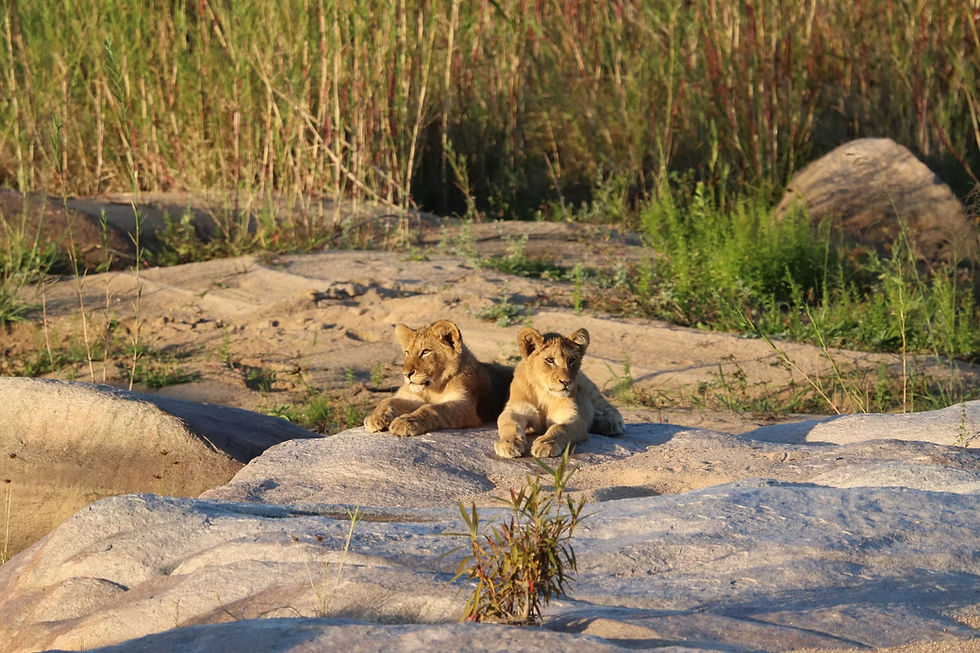
Understanding Zimbabwe’s past adds richness to your experience of its wild spaces. That lion print in the sand? It traces the same paths once walked by ancient hunters. That hill in the distance? It may have once been a royal lookout. The people you meet in nearby villages? They carry the wisdom of generations shaped by land, struggle, and spirit.
At Barefoot Safaris, we believe travel should honor the whole story — the wildlife, the wilderness, and the people. By learning Zimbabwe’s history, we travel not as outsiders, but as guests with gratitude.


Comments